What is an IMEI and why it matters
Every mobile device sold worldwide carries a unique 15-digit number known as the IMEI (International Mobile Equipment Identity). It identifies the hardware itself, not the SIM card or the person using it.
How to find your IMEI
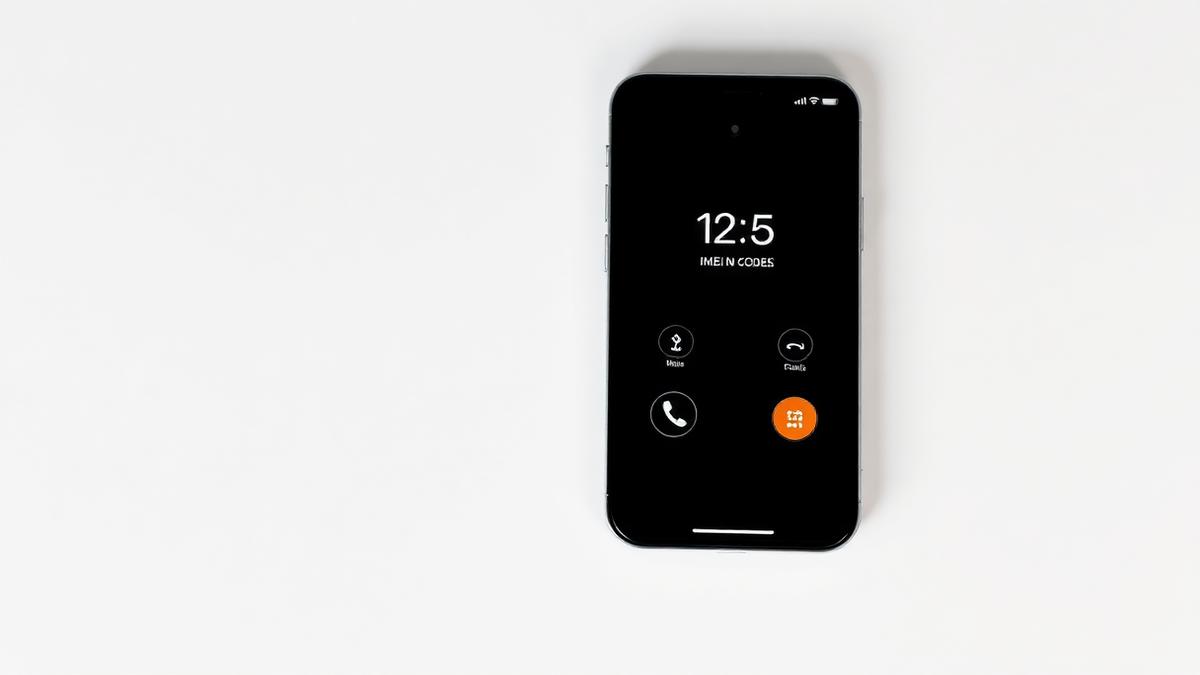
The fastest way is to open your dialer and type *#06#. The number appears on screen instantly, with no app or internet connection required.
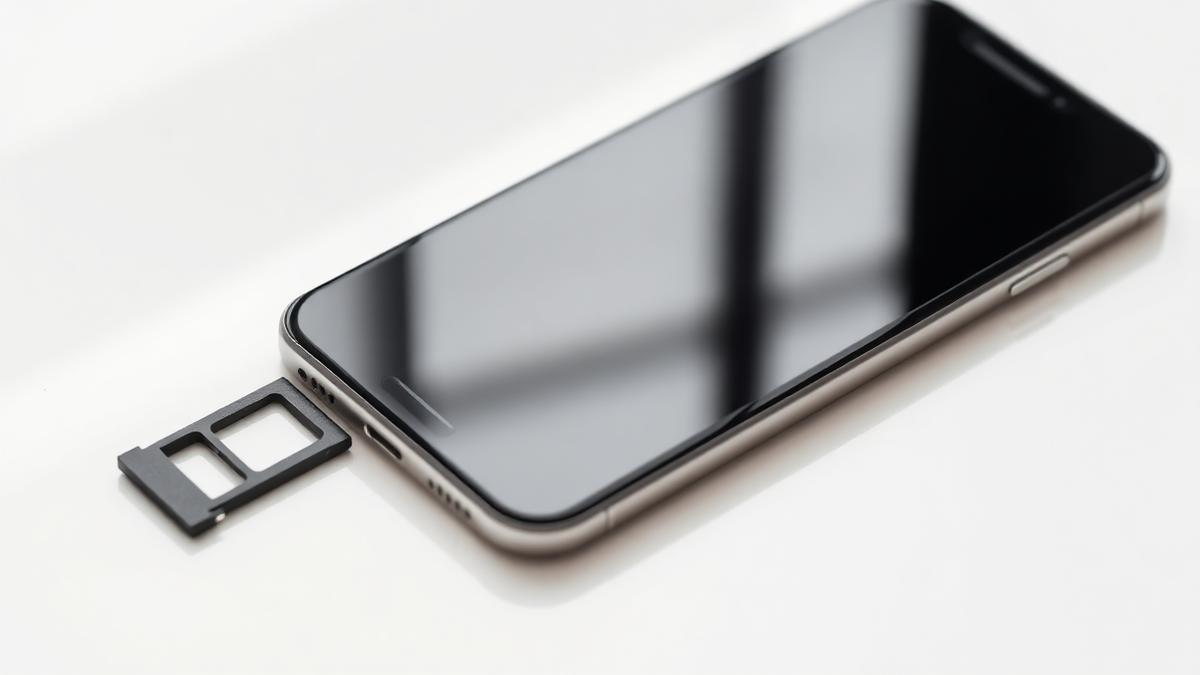
You can also find it in Settings > General > About on iPhone, in Settings > About phone on Android, printed on the SIM tray, or on the original packaging and purchase invoice.
What the digits mean
The first eight digits are the Type Allocation Code, which identifies the manufacturer and the exact model. The next six digits are the serial number assigned by the manufacturer, and the final digit is a check digit calculated with the Luhn algorithm.
Because of that structure, an IMEI can reveal the true model of a device — useful when buying second-hand and the seller's description does not match the hardware.
Why it matters
Carriers and global registries use the IMEI to decide whether a device is allowed on their network. If a phone is reported lost, stolen or has unpaid finance attached, its IMEI is added to a blacklist and the device loses network service in participating countries.
Before buying any used phone, run the IMEI through a blacklist check. It takes seconds and it is the single best protection against buying a device that will stop working.